Living medicine
the mother of holistic medicine, creative ecosystems and mushrooms, self responsibility
In 2011, when I was just starting out as an osteopath, I travelled to Sydney for a Traditional Medicine Conference. I had an inkling that my passion as a health practitioner would be more than just finding physical problems, aligning them and repeating. I was attracted to the holistic concepts of supporting body, mind and spirit. I just didn’t really know what that looked like in practice.
I was so lucky to meet Dr Gladys Taylor McGarey at the conference. She is known as the mother of holistic medicine, and has lived a long inspiring life, working as a medical doctor, birthing and raising six children and embodying her values day-to-day. You can get a sense of her joyful wisdom in this article about her daily routine and tips for longevity.
Her book Living Medicine articulated many of the thoughts I was trying to form about health, healing and working in the medical profession. And it gave me a model for what supporting body, mind and spirit looked like. It showed me that bringing my heart into all my interactions and letting myself be changed by my patients was not only allowed but vital to evolving and thriving.
Dr Glad, as she likes to be called, was in her 90s when I met her. She had travelled halfway around the world to be in Sydney for the conference, supported by two of her sons. And she was glowing! She wore her hair in a shining white plait, circled around her head like a crown. Her eyes were clear and wise and her face beamed love. It really was a profound experience to meet and talk with her.
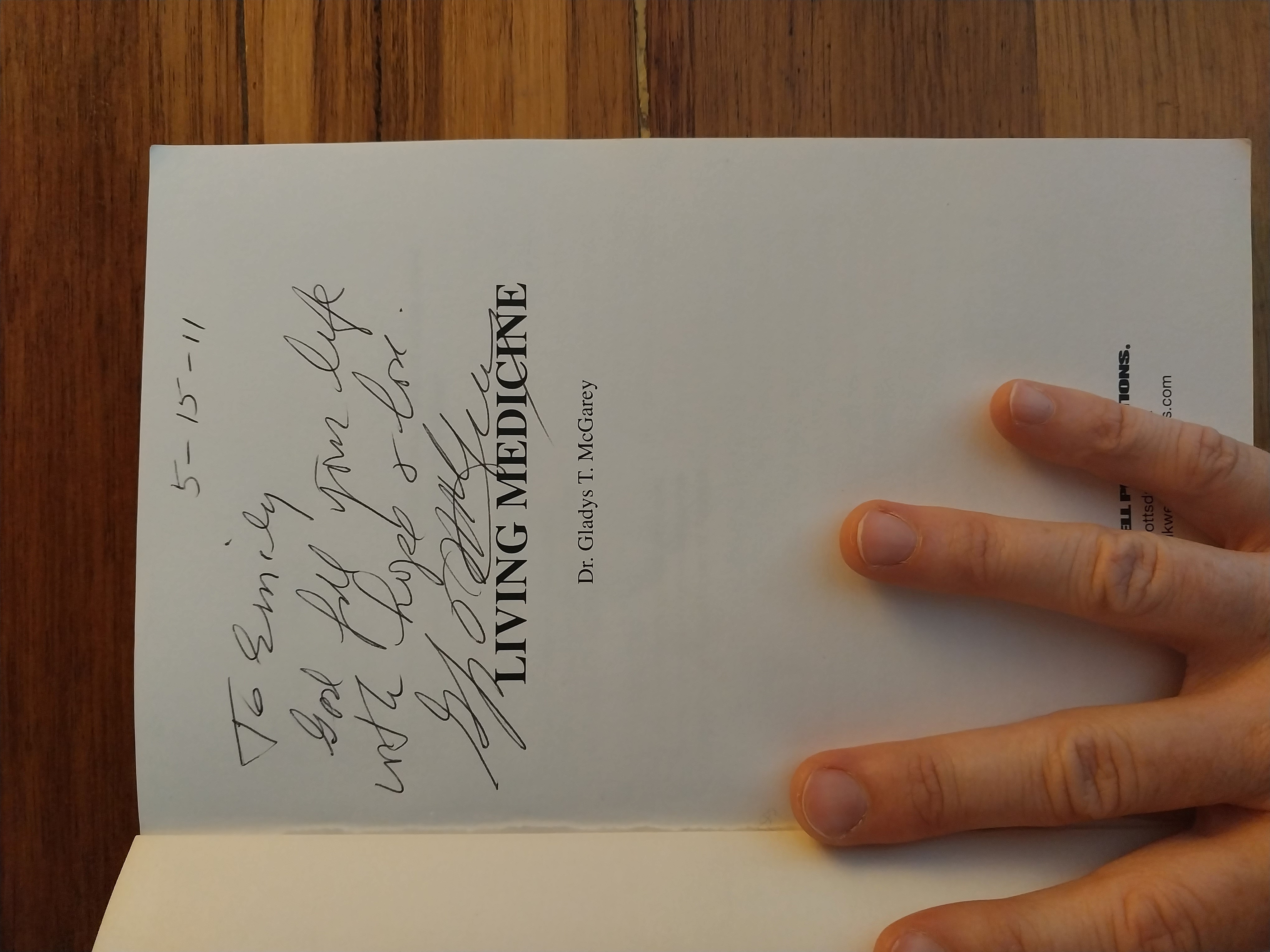
I re-read my copy of Living Medicine last week and was just as reassured and encouraged as I was 12 years ago. It reminded me that living my values; caring for my own body, mind and spirit; is just as much a part of my work as treatments and research and updating my skills.
And I was thrilled to discover that Dr Glad is alive and well at 102 years old, riding her tricycle every day and releasing a new book this month called The Well-Lived Life.
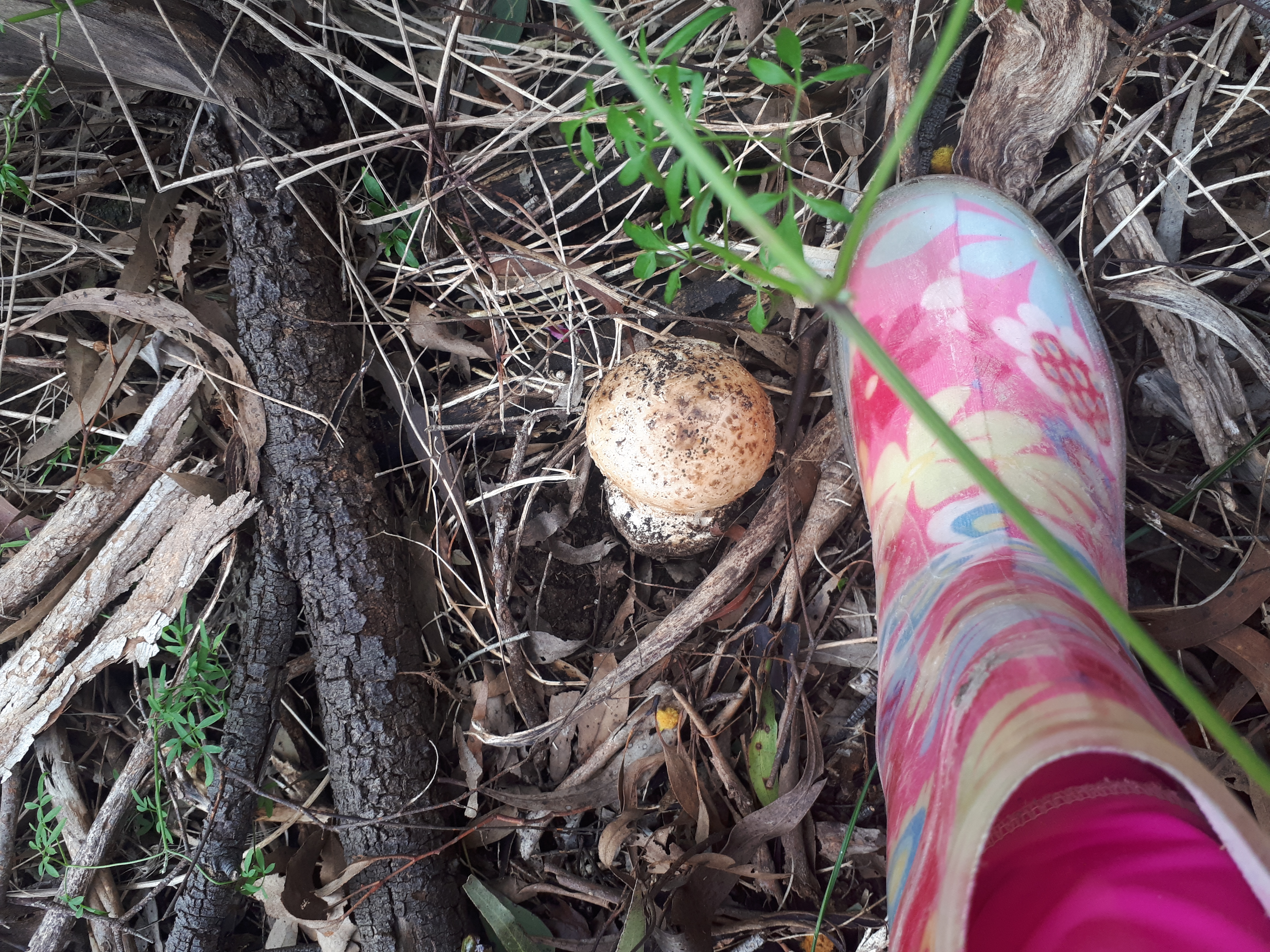
My thoughts have been turning to creativity this month, as we move into shorter days and colder weather. I have been pondering the idea of creative ecosystems… that we are all surrounded and immersed in ideas, connections, conversations, places, art, movies, books and more that inspire creativity. And that even if you think you are not an arty/crafty kind of person, or you are not producing anything tangible, or you don’t place a high value on creativity, you are still part of this diversity of sharing and spreading ideas.
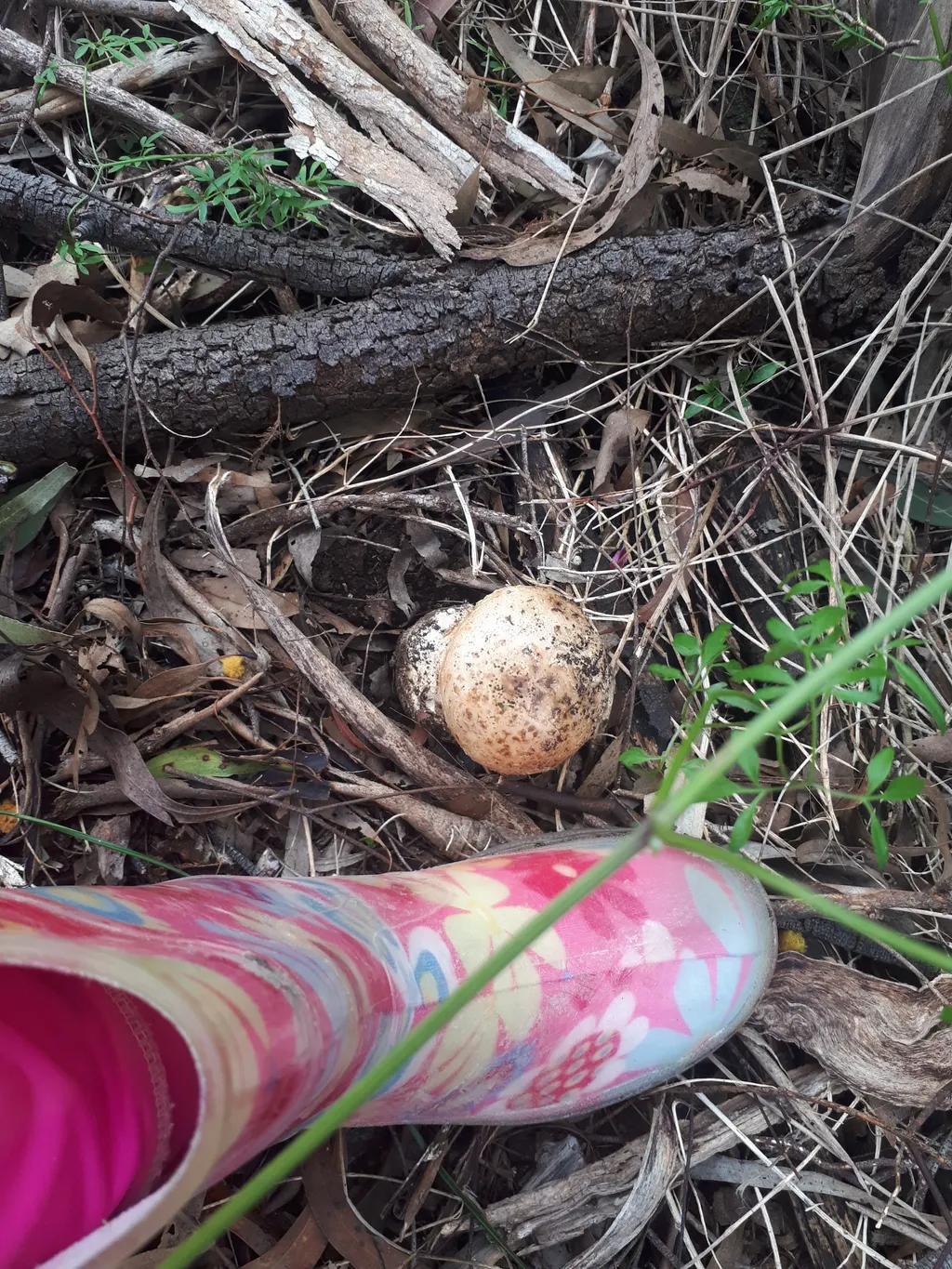
So how can we keep our creative ecosystems healthy? In this autumnal season, I’m wondering if we can be more like mushrooms? Or as adrienne maree brown puts it, can we come into closer alignment with the wisdom of mycelia? She has four suggestions:
- do the work under the surface and in the dark, knowing that not all your labour will be visible or publicly recognised
- make the world digestible for others - share your thoughts, processes and ways of navigating our overwhelming world to help others find their way
- strengthen your connections, your interdependence, your communication skills
- see the potential in pain and grief - finding ways to face our painful human experiences can compost them into something new
And for mothers and carers who find it hard to prioritise time and space for their own creativity, I found this quote about self responsibility stirring:
Responsibility to yourself means that you don’t fall for shallow and easy solutions. It means that you refuse to sell your talents and aspirations short, simply to avoid conflict and confrontation. And this, in turn, means resisting the forces in society which say that women should be nice, play safe, have low professional expectations, drown in love and forget about work, live through others, and stay in the places assigned to us. It means that we insist on a life of meaningful work, insist that work be as meaningful as love and friendship in our lives. It means, therefore, the courage to be “different”; not to be continuously available to others when we need time for ourselves and our work; to be able to demand of others—parents, friends, roommates, teachers, lovers, husbands, children—that they respect our sense of purpose and our integrity as persons.
Adrienne Rich
I’m sending this letter to you at the lunar eclipse. Try to rest more during this time. And remember to give yourself and others space for mycelial work…
Much love,
Emily


