How does your heart feel?
the strain of 2020, beltane, togetherness, questioning the origins of osteopathy
It's been wonderful to see some of you face to face this month. You have changed so much and so have I. There is a lot to release and express!
Many of you have been experiencing more intense upper back tension, jaw clenching and headaches than ever before. One of my dear patients attributes this to doom scrolling. I agree there is a combination of postural strain, sympathetic nervous system activation and emotional heaviness that is showing up in people's bodies that is unique to this year.
I am approaching this very gently and advising you to go slowly and release over time, not all at once. Try a simple upper back stretch lying over a rolled towel at home if you need some relief right now.
As we emerge from lockdown here in Melbourne, I have a deeper appreciation for all our hearts. How much we are feeling, carrying, churning, reaching out. If you are overwhelmed, give yourself some time to feel your heart. Sit quietly and let it move you. Feel it spiralling in your chest, pulsating in your neck, your palms, the soles of your feet. Feel the flow of your lifeblood.
Watch and try The Heart Dance if you want to explore the movement of blood through your heart centre in an embodied way.
The earth keeps turning
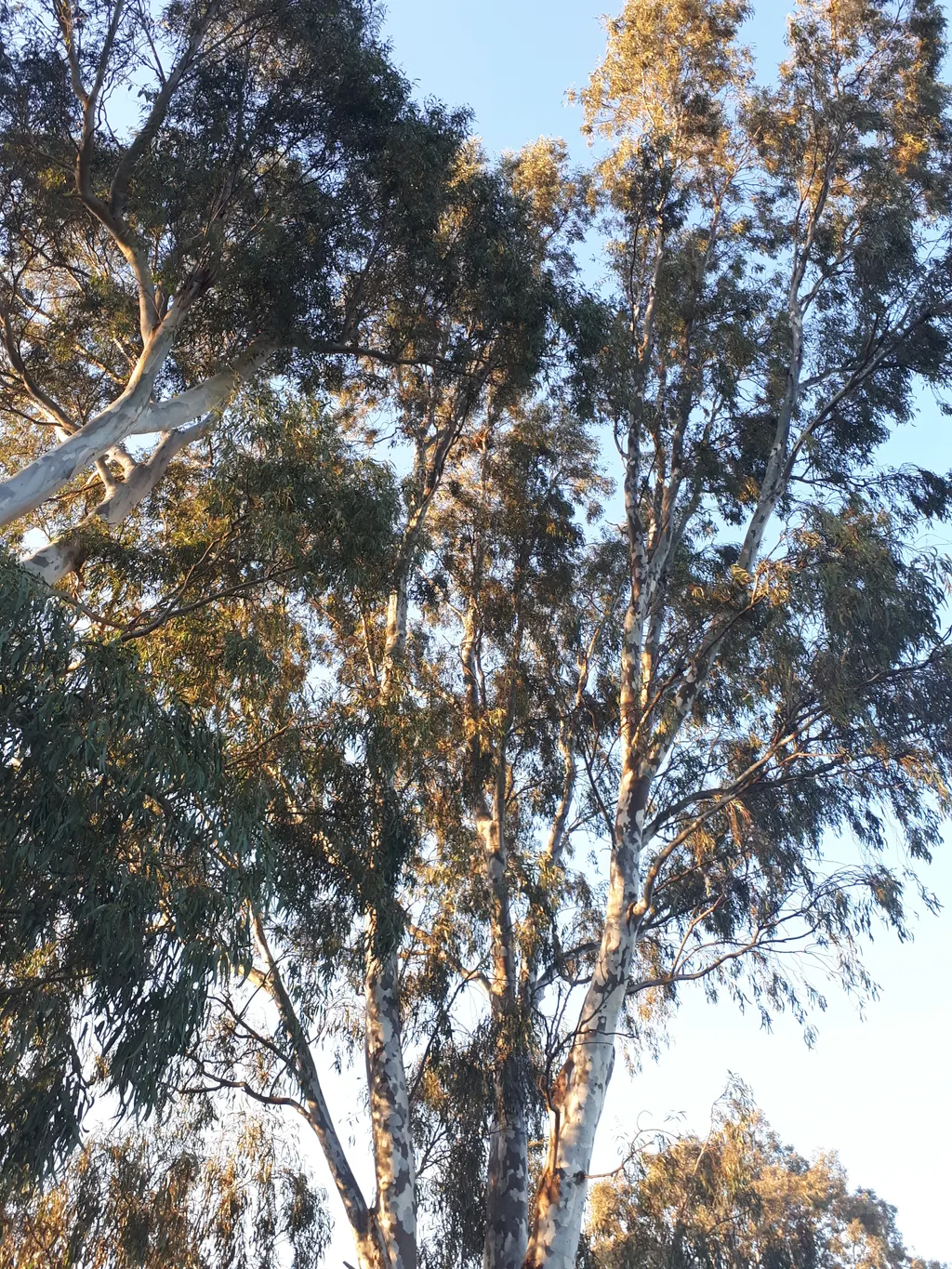
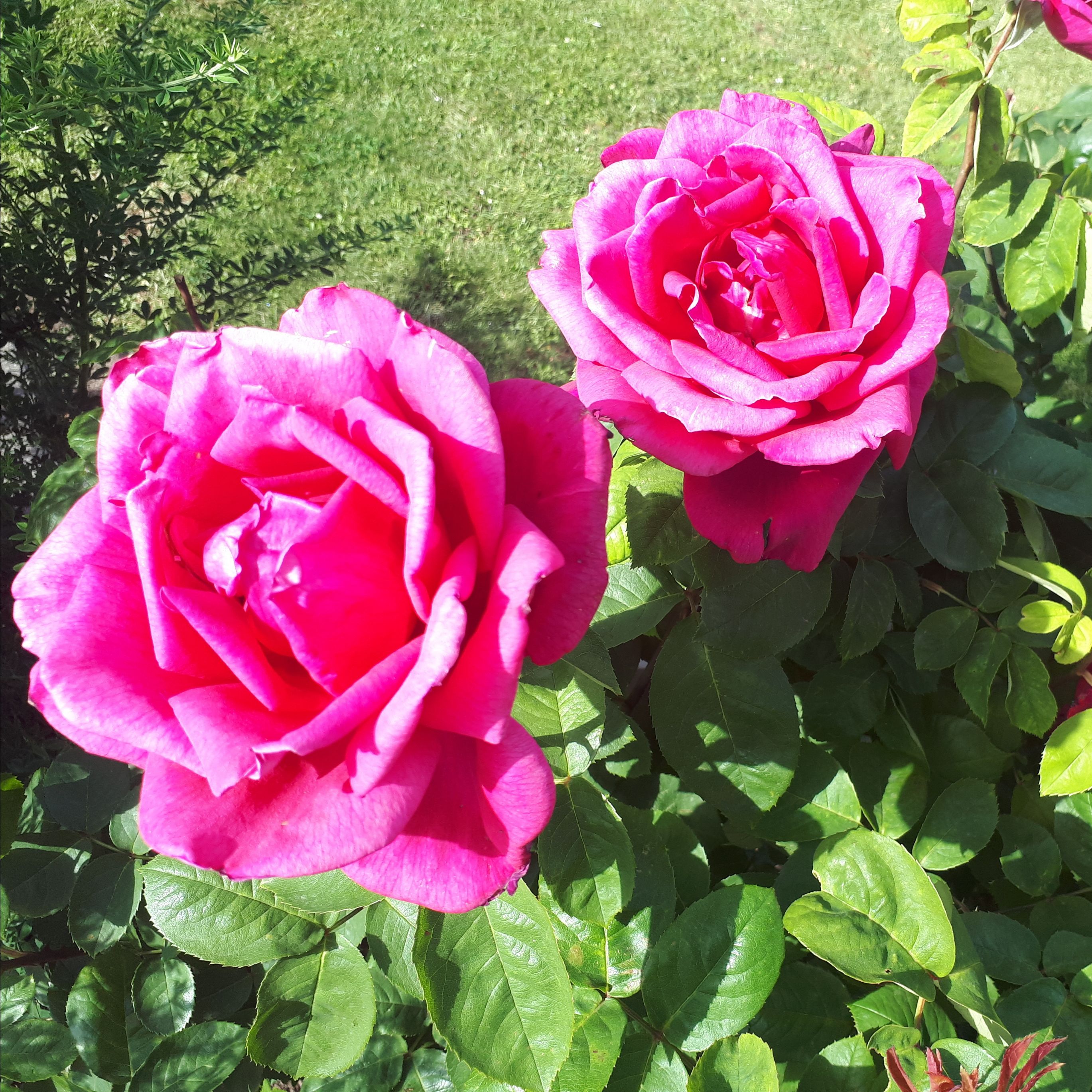
Amidst all that is chaotic and changing in the human world, the earth keeps turning and the seasons have shifted again. We are just past Beltane, the cross quarter between Equinox and Solstice. The energy is rising as the sun rises higher in the sky. We can see the natural world around us in full bloom, warming up for summer, the days lengthening. It's a joyful time to celebrate everything that is going right and working well. I often have an urge to dress up in bright colours and dance!
It is also a time of being drawn outward into more energetic and social expressions. Take care to plan these gently this year. Be true to your self and your capacity after so many inward, socially isolated months.
Trusting in togetherness
As I get busier with work and parenting and life, I'm thinking a lot about a core belief I have of separateness. That I must meet all my own needs, be self sufficient and carry on because no one else can or will do it for me. I'm noticing my edges where I tend to extreme reactions, polarisation and grasping a sense of being right. It's a deep belief and it's hard to shift! Maybe you share a similar belief?
I'm trying to soften into collaboration, vulnerability and trust that others can meet my needs and support me well. I'm developing a willingness to work as a team for mutual benefit and thriving. An openness to considering new ideas, different outcomes and letting myself be changed by the process of teamwork.
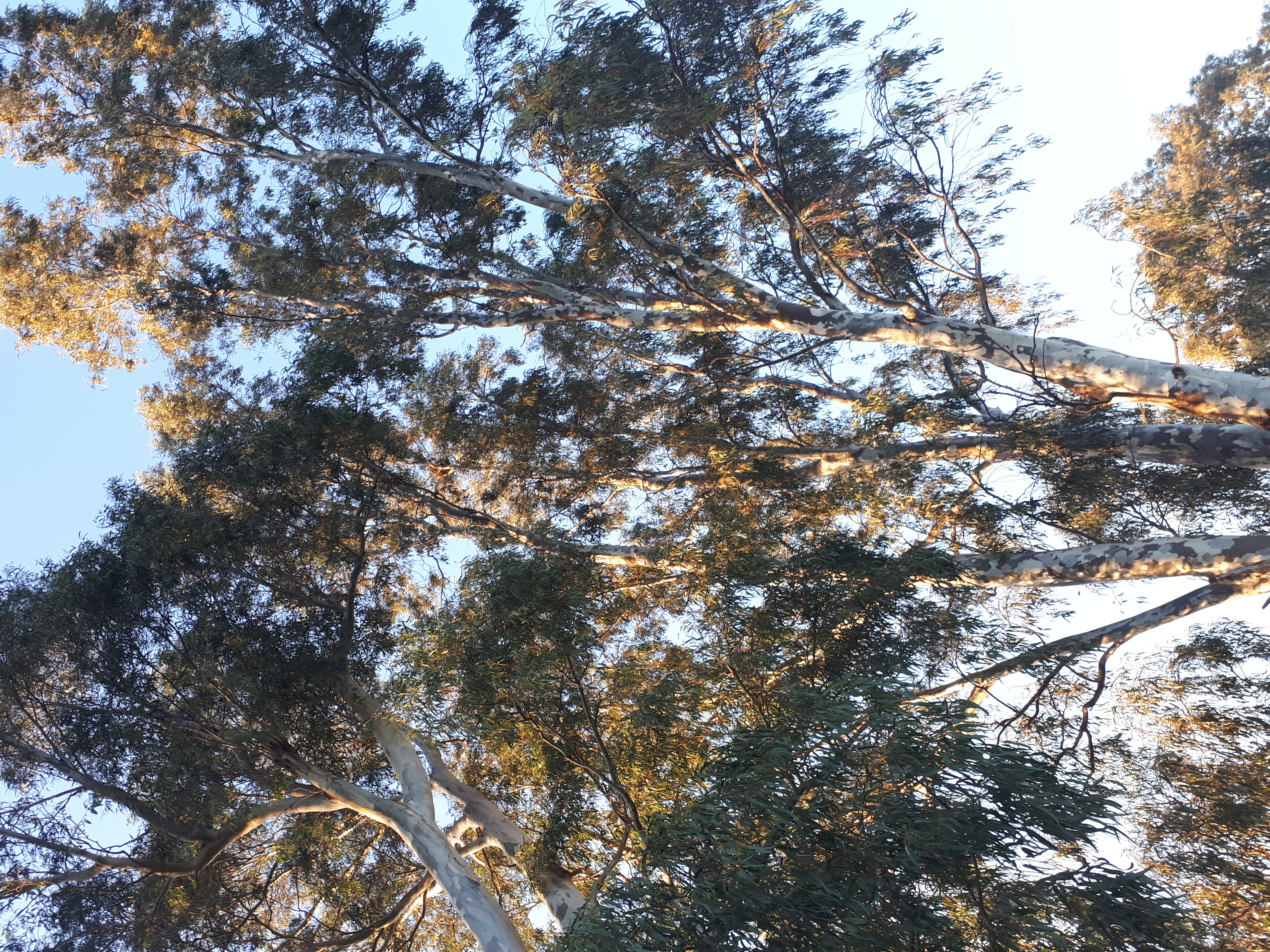
I use the image of a plant growing alone, needing to find water, support, nourishment, protection all on it's own. And then I add in other plants to my vision. They intertwine and support each other to rise up. They give each other shade and share nutrients and water and messages via their deep root systems. They thrive because they are not separate. Their togetherness is a mutual benefit and joy. I wonder if this image resonates with you?
Unearthing the bones of my work
I've been doing some reading about the origins of craniosacral therapy and other touch-based bodywork. Like any good research, the further I delve the more commonalities I find. Nothing is really new or discovered. We do not have more wisdom working with bodies today than people had thousands of years ago in various cultures and places around the world.
In fact, the practice of bone-setting existed before homo sapiens - there is evidence Neanderthals skillfully healed fractured bones. And bone-setters still practice in parts of Russia, India, China and indigenous America and Australia today. The common thread of using touch to listen, shift and settle dynamic living structures of the body is so familiar and comforting to me. Remembering that this work is so ancient, common to all humankind, and that I am just one link in that lineage, gives me much joy. And it brings into question our emphasis on only the history of the last 150 years or so.
Susan Raffo's recent essay questions the origin story of osteopathy. It is commonly known that Andrew Taylor Still, the grandfather of osteopathy, lived and worked alongside Shawnee people. He often spoke of learning from their healers, of 'taking an Indian look' at something and even called himself a 'lightning bone-setter' before he coined the name osteopathy. What is less commonly known is that he himself was third generation Lumbee Native American through his grandfather who assimilated to white Christianity. And even more complicated, Andrew Still is known to have exhumed the bones of hundreds of Native Americans after a cholera epidemic, for his own learning.
Susan Raffo asks,
How can we openly acknowledge the harm and injustice caused by our profession? Can we honour the teachings and lineage and also be in right relationship and repair harm? How will we teach this to each new student and client of osteopathy? We know this type of gentle listening bodywork can shift how histories are held in the body. Can we also use our skills to shift how we hold and understand the histories within our profession? To work for collective healing as well as individual healing.
I don't have any answers yet. I am taking time to digest this information and sharing it with you feels like a good start. What you have been unearthing this month?
Sending love from my heart to yours,
Emily


